Your partner popped the question, you’ve happily accepted, and the Champagne has been flowing — it’s one of the most exciting days of your life. Before the feverous excitement subsides and you’ve flaunted your gleaming diamond setting on your finger to your family, friends and even the local cafe’s barista, the thought hits you ‘How do you take care of an engagement ring?’
Typically, they are a more significant investment piece than
wedding rings, and for many, engagement rings will be your first piece of fine jewellery. As a symbol of your union and new life together, it’s normal to be overprotective in avoiding chemicals, sleeping and washing your hands with your engagement ring on. In the article below, we discuss what could risk the sparkle in your engagement ring and how you can preserve the look, value and sentiment of your new band and precious stone.
What will damage your engagement ring
Your hands are constantly by your side, engaging in all sorts of activities — touching, lifting and manipulating items you need in everyday life, not to mention you’ll be getting water on your engagement ring from constant hand washing. Over time it's easy for them to lose their lustre in a matter of ways, that includes:
Cleaning with your engagement ring
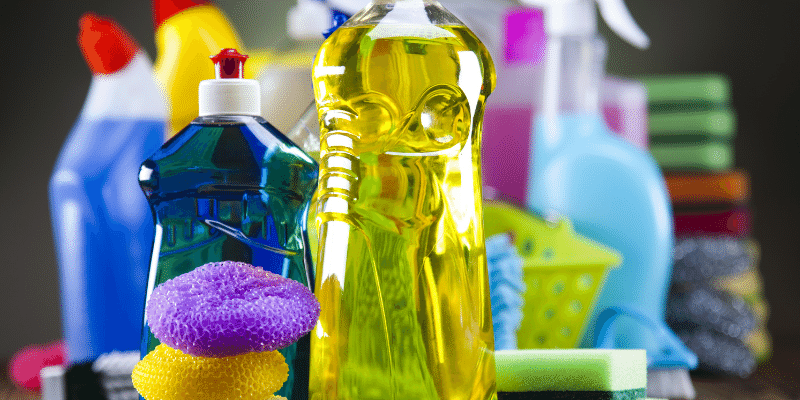
They say cleanliness is next to godliness, and while surfactants in household cleaners will make your household surfaces and floors sparkle, they can lead to disastrous effects on your jewellery by dulling the polished and honed patina of your engagement ring. Making a conscious effort to avoid chemicals is one of the best ways to take care of your engagement ring.
From abrasive sponges scratching the band's surface to harsh chemicals that are known to react and damage the metal used to alloy gold, cleaning products can do tremendous damage to your jewellery, no matter how careful you are.
Between sliding your hand in nooks and crannies to wick dust away to the vigorous scrubbing of pots and pans, there are multiple opportunities for you to hit your ring and cause little nicks to dent the band and pull on and loosen the prongs that secure your precious diamonds in place. For these reasons, we always recommend removing your engagement ring before cleaning it to protect its brilliance.
Getting water on your engagement ring
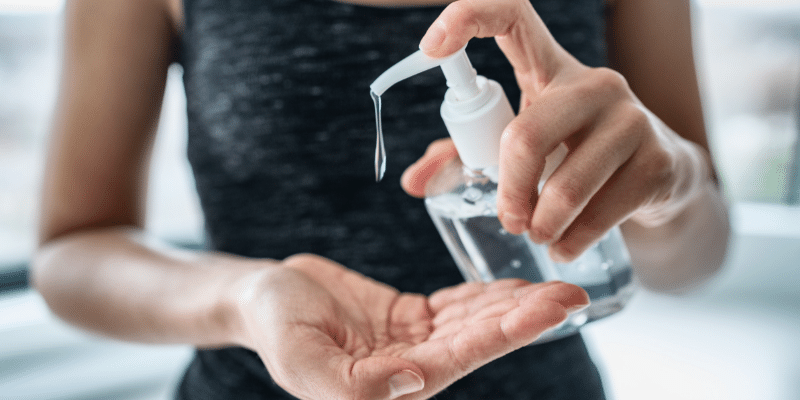
Antibacterial soap, water and hand sanitiser from washing your hands with your engagement ring on won’t damage your gold jewellery, but it will quicken your ring’s wear and tear while dulling its shine and losing its glimmer over time. The openings around stone settings are also ideal places for hand lotions, creams, fake tan, and other small debris to be unintentionally deposited and darken the look of your ring’s bridge or gallery. This tarnish becomes especially obvious and prominent in channel and claw set diamonds.
Avoid chemicals at pools and salt water at the beach
Radiating a natural beauty, gold has long been the metal of choice for the most remarkable and revered objects. Despite being highly malleable, it requires a metal alloy to strengthen it. It’s also known to be especially non-reactive. However, that doesn’t mean it is completely impenetrable.
The chlorine in pools is highly acidic and won’t just tarnish your engagement rings; it will corrode and damage the metal. While the band and shoulder will look worse for wear when swimming continuously in chlorinated pools, it can weaken the prongs and potentially cause your diamonds to fall out of their settings. Incredibly effective for sanitising and cleaning, even gold can dissolve when soaked in a chlorine solution.
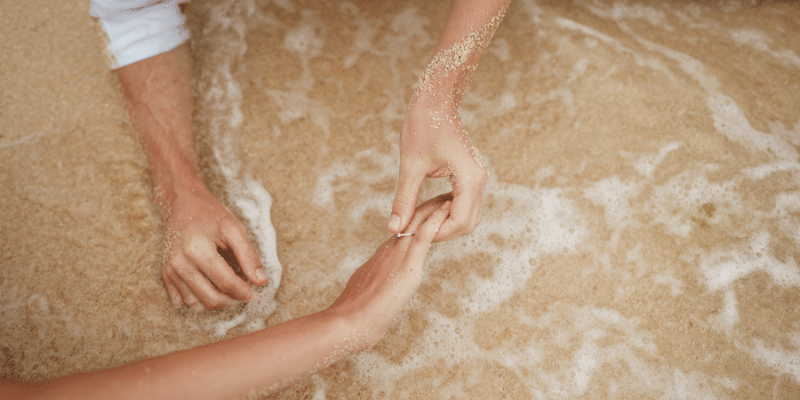
Looking at your engagement is mesmerising under the sun's rays. While you may not want to be separated from the symbol of your union, getting water on your engagement ring at the beach isn’t advisable. The salt in the water is incredibly corrosive, particularly with coloured gold such as white gold, rose and red gold, where gold has undergone a unique process to create its spectral colours.
While forgetting to remove your ring before you enjoy a dip in the pool or beach won’t immediately damage your engagement ring on the first occasion, being mindful will make all the difference. If you swim with it still on, simply run regular water over it for a minute soon after to remove any chlorine or salt residue.
How to take care of an engagement ring
Your engagement ring is one of the most special items to represent your love and union, and with a bit of mindfulness and care, you can pass it down to your children as a family heirloom. There are many ways you can protect your band and precious stone for the future, which include:
Regular cleaning
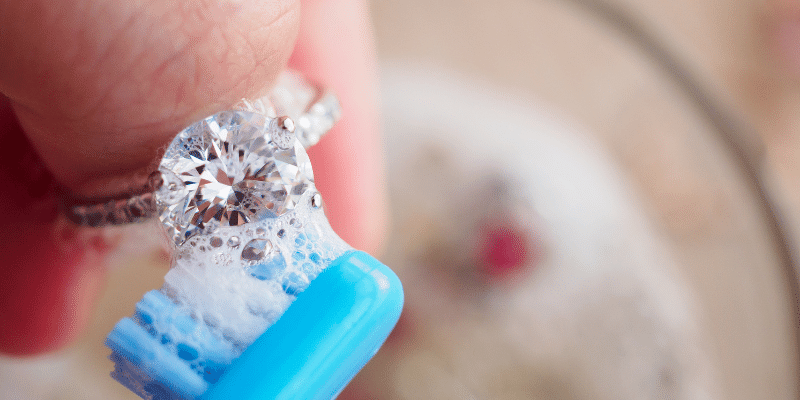
Prized for being one of the hardest materials on Earth, diamonds are not impervious from losing their gleaming brilliance under the lathering of hand soap, lotions and creams.
Cleaning your engagement ring is one of the best ways to protect the value and sentiment of your union’s symbol of love — with a little TLC, you can restore its natural shine.
For a more thorough service, enlist your local jeweller to inspect the settings of your precious stones and professionally clean your engagement ring.
Buy a ring with a lifetime warranty from Diamonds Factory
Your love is forever, and so should your ring be. Reputable dealers and jewellers like Diamonds Factory, who maintain an impeccable standard of workmanship, can stand behind their crafts with a
lifetime warranty. Offering peace of mind, lifetime warranties provide you with greater confidence to insure your engagement ring against rare manufacturing problems.
Inspect your ring’s band and stone settings
Between the rigours of daily life and balancing home and work, your hands will inevitably handle a multitude of tasks — increasing the opportunity for wear and tear to affect your band. Regularly inspect your engagement ring to observe whether it’s time to clean your engagement ring, but also confirm the state of your precious stones. If your diamonds rattle or appear to be a little loose in their setting, seek the attention of a professional jeweller to tightly secure your diamonds as soon as possible.
Inspecting your band also allows you to check the fit of your ring.
Sizing your ring properly, especially if you have lost weight, is essential to ensure it will sit firmly on your finger without the risk of it sliding off.
Insure your engagement ring
As one of the most important items in any couple’s life, your diamond engagement ring is irreplaceable. That’s why you should insure your engagement ring and protect it from the unimaginable. Most home contents insurance policies will cover your ring if it has been lost, stolen or damaged within your home — however, it will only protect you until a certain limit.
For greater peace of mind, consider dedicated
insurance on your engagement ring. Since 1887, T.H. March has offered premier, specialised insurance for precious rings. For a free quote, contact T.H. March on 01822 855555, quoting our reference code: AN080T
Safely storing your engagement ring
Whether competing in sports, cleaning your home, swimming or even swimming, it is crucial you properly store your engagement ring when it isn’t radiating beauty on your finger. Keeping it in the original ring box or a soft fabric pouch will protect it from getting lost and abrasions from hard surfaces.
Pop the question with an engagement ring from Diamonds Factory
When you’re ready to start sharing your life with your beloved, proclaim the undying devotion of your partner with a timeless ring from Diamonds Factory. For a lustrous and
gleaming engagement ring that will last a lifetime, our jewellers will craft an enduring ring emblematic of your love.
As your local online jeweller, we have a tremendous ability to source quality diamonds with exceptional
clarity. With our unique service, you can easily
choose an engagement ring representing the special bond you share with your partner.
For more information about finding the perfect engagement ring, review our
guide or
contact us for help in designing a
bespoke ring.







 Unlock private sale access
 Birthday privileges
 Plus a world of exclusives, curated for you.


Typically, they are a more significant investment piece than wedding rings, and for many, engagement rings will be your first piece of fine jewellery. As a symbol of your union and new life together, it’s normal to be overprotective in avoiding chemicals, sleeping and washing your hands with your engagement ring on. In the article below, we discuss what could risk the sparkle in your engagement ring and how you can preserve the look, value and sentiment of your new band and precious stone.What will damage your engagement ring
Your hands are constantly by your side, engaging in all sorts of activities — touching, lifting and manipulating items you need in everyday life, not to mention you’ll be getting water on your engagement ring from constant hand washing. Over time it's easy for them to lose their lustre in a matter of ways, that includes:Cleaning with your engagement ring
They say cleanliness is next to godliness, and while surfactants in household cleaners will make your household surfaces and floors sparkle, they can lead to disastrous effects on your jewellery by dulling the polished and honed patina of your engagement ring. Making a conscious effort to avoid chemicals is one of the best ways to take care of your engagement ring.
From abrasive sponges scratching the band's surface to harsh chemicals that are known to react and damage the metal used to alloy gold, cleaning products can do tremendous damage to your jewellery, no matter how careful you are.
Between sliding your hand in nooks and crannies to wick dust away to the vigorous scrubbing of pots and pans, there are multiple opportunities for you to hit your ring and cause little nicks to dent the band and pull on and loosen the prongs that secure your precious diamonds in place. For these reasons, we always recommend removing your engagement ring before cleaning it to protect its brilliance.Getting water on your engagement ring
Antibacterial soap, water and hand sanitiser from washing your hands with your engagement ring on won’t damage your gold jewellery, but it will quicken your ring’s wear and tear while dulling its shine and losing its glimmer over time. The openings around stone settings are also ideal places for hand lotions, creams, fake tan, and other small debris to be unintentionally deposited and darken the look of your ring’s bridge or gallery. This tarnish becomes especially obvious and prominent in channel and claw set diamonds.Avoid chemicals at pools and salt water at the beach
Radiating a natural beauty, gold has long been the metal of choice for the most remarkable and revered objects. Despite being highly malleable, it requires a metal alloy to strengthen it. It’s also known to be especially non-reactive. However, that doesn’t mean it is completely impenetrable.
The chlorine in pools is highly acidic and won’t just tarnish your engagement rings; it will corrode and damage the metal. While the band and shoulder will look worse for wear when swimming continuously in chlorinated pools, it can weaken the prongs and potentially cause your diamonds to fall out of their settings. Incredibly effective for sanitising and cleaning, even gold can dissolve when soaked in a chlorine solution.
Looking at your engagement is mesmerising under the sun's rays. While you may not want to be separated from the symbol of your union, getting water on your engagement ring at the beach isn’t advisable. The salt in the water is incredibly corrosive, particularly with coloured gold such as white gold, rose and red gold, where gold has undergone a unique process to create its spectral colours.
While forgetting to remove your ring before you enjoy a dip in the pool or beach won’t immediately damage your engagement ring on the first occasion, being mindful will make all the difference. If you swim with it still on, simply run regular water over it for a minute soon after to remove any chlorine or salt residue.How to take care of an engagement ring
Your engagement ring is one of the most special items to represent your love and union, and with a bit of mindfulness and care, you can pass it down to your children as a family heirloom. There are many ways you can protect your band and precious stone for the future, which include:Regular cleaning
Prized for being one of the hardest materials on Earth, diamonds are not impervious from losing their gleaming brilliance under the lathering of hand soap, lotions and creams. Cleaning your engagement ring is one of the best ways to protect the value and sentiment of your union’s symbol of love — with a little TLC, you can restore its natural shine.
For a more thorough service, enlist your local jeweller to inspect the settings of your precious stones and professionally clean your engagement ring.Buy a ring with a lifetime warranty from Diamonds Factory
Your love is forever, and so should your ring be. Reputable dealers and jewellers like Diamonds Factory, who maintain an impeccable standard of workmanship, can stand behind their crafts with a lifetime warranty. Offering peace of mind, lifetime warranties provide you with greater confidence to insure your engagement ring against rare manufacturing problems.Inspect your ring’s band and stone settings
Between the rigours of daily life and balancing home and work, your hands will inevitably handle a multitude of tasks — increasing the opportunity for wear and tear to affect your band. Regularly inspect your engagement ring to observe whether it’s time to clean your engagement ring, but also confirm the state of your precious stones. If your diamonds rattle or appear to be a little loose in their setting, seek the attention of a professional jeweller to tightly secure your diamonds as soon as possible.
Inspecting your band also allows you to check the fit of your ring. Sizing your ring properly, especially if you have lost weight, is essential to ensure it will sit firmly on your finger without the risk of it sliding off.Insure your engagement ring
As one of the most important items in any couple’s life, your diamond engagement ring is irreplaceable. That’s why you should insure your engagement ring and protect it from the unimaginable. Most home contents insurance policies will cover your ring if it has been lost, stolen or damaged within your home — however, it will only protect you until a certain limit.
For greater peace of mind, consider dedicated insurance on your engagement ring. Since 1887, T.H. March has offered premier, specialised insurance for precious rings. For a free quote, contact T.H. March on 01822 855555, quoting our reference code: AN080TSafely storing your engagement ring
Whether competing in sports, cleaning your home, swimming or even swimming, it is crucial you properly store your engagement ring when it isn’t radiating beauty on your finger. Keeping it in the original ring box or a soft fabric pouch will protect it from getting lost and abrasions from hard surfaces.Pop the question with an engagement ring from Diamonds Factory
When you’re ready to start sharing your life with your beloved, proclaim the undying devotion of your partner with a timeless ring from Diamonds Factory. For a lustrous and gleaming engagement ring that will last a lifetime, our jewellers will craft an enduring ring emblematic of your love.
As your local online jeweller, we have a tremendous ability to source quality diamonds with exceptional clarity. With our unique service, you can easily choose an engagement ring representing the special bond you share with your partner.
For more information about finding the perfect engagement ring, review our guide or contact us for help in designing a bespoke ring.